Monaco Investor Guide

The world's most exclusive property market, zero income, capital gains and wealth tax, exceptional safety and scarcity-driven capital preservation, balanced against ~€57,000/sqm entry prices and low 2-3% yields

Updated May 21, 2026Advanced14 min read

Rental yield
2.9%
Gross, indicative
Transfer tax
6.0%
Currency
EUR
Population
~38,000-39,000

Market Overview

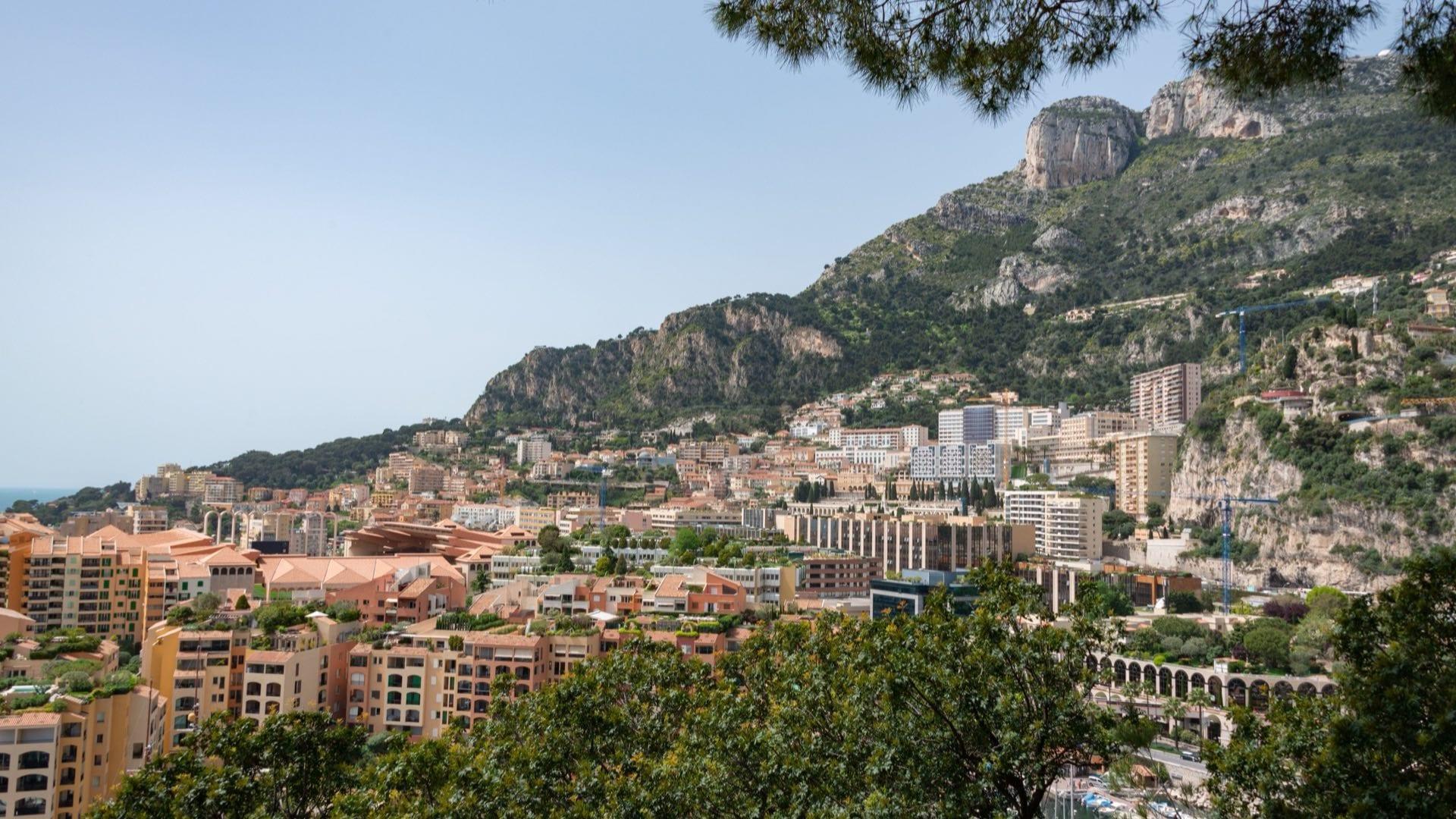
Monaco is one of the world's wealthiest economies and its most expensive residential real-estate market, packed into roughly 2 square kilometres. IMSEE reported record GDP of about EUR 10.3 billion with strong real growth in its November 2025 release, and GDP per capita exceeding EUR 100,000 (a metric IMSEE itself flags as of limited relevance, since most of Monaco's workforce commutes from outside). The economy rests on private banking and finance, real estate and construction, tourism and hospitality, and yachting and luxury services. Structurally fixed supply -- the principality cannot expand except through costly land reclamation -- underpins long-term price resilience, while the value proposition centres on an exceptional tax regime, world-leading safety and global prestige.

Country
Monaco
Currency
EUR (Euro; used under a monetary agreement with the EU)
Population
~38,000-39,000
GDP growth
Strong (record GDP ~EUR 10.3bn, IMSEE Nov 2025); GDP per capita >EUR 100,000
Inflation
Tracks the Eurozone (Monaco uses the euro)

Key industries

  • Private Banking & Finance
  • Real Estate & Construction
  • Tourism & Hospitality
  • Yachting & Luxury Services
  • Scientific & Business Services

Restrictions

Open to Foreign Buyers (Ownership vs Residency)

Open

Monaco places almost no nationality-based restriction on property ownership. Foreigners of any nationality, including non-EU nationals, may buy freely. Crucially, ownership and residency are entirely separate -- you can own property without being a Monaco resident, and residency is a distinct process. The real constraints on buyers are practical: extreme prices, very scarce supply, and intense competition for prime stock.

  • No nationality restriction on who may purchase
  • Owning property does NOT confer residency -- the two are separate (see Visa & Residency)
  • The binding constraints are price, scarcity and competition, not regulation
  • A Monaco notaire is mandatory to execute the deed
  • Acquisition duty is higher when buying through non-transparent / foreign-company structures (see Taxes)

Buyer Structure Drives Cost & Succession Planning

Open

The differentiator that affects cost is the buyer structure, not nationality. Buying as a named individual or through a transparent Monegasque civil company (SCP / SCI with physical-person shareholders) attracts the lower registration duty, while buying through a non-transparent or foreign company or trust attracts a higher rate. Structure choice is also central to succession planning.

  • Named individual or transparent Monegasque SCP/SCI: 4.5% registration duty
  • Non-transparent / foreign company or trust: 7.5% registration duty
  • SCI/SCP structures are popular for succession planning and can preserve the 0% direct-line inheritance treatment
  • Choose the holding structure deliberately, with Monaco legal and tax advice, before signing

Unlock the full guide. It's free.

You've read the preview. 8 more sections are open to Explorer members, instantly, with just an email.

No spam, no password, unsubscribe any time.

Already a member? Sign in

  • Taxes & Fees
  • Requirements
  • Purchase Steps
  • Property Types
  • Investment Drivers
  • Market Trends
  • Visa & Residency
  • Financing

Figures are indicative and subject to change. Regulations, taxes and market conditions vary by jurisdiction. Do your own due diligence and seek independent legal and financial advice.

Keep reading

All country guides