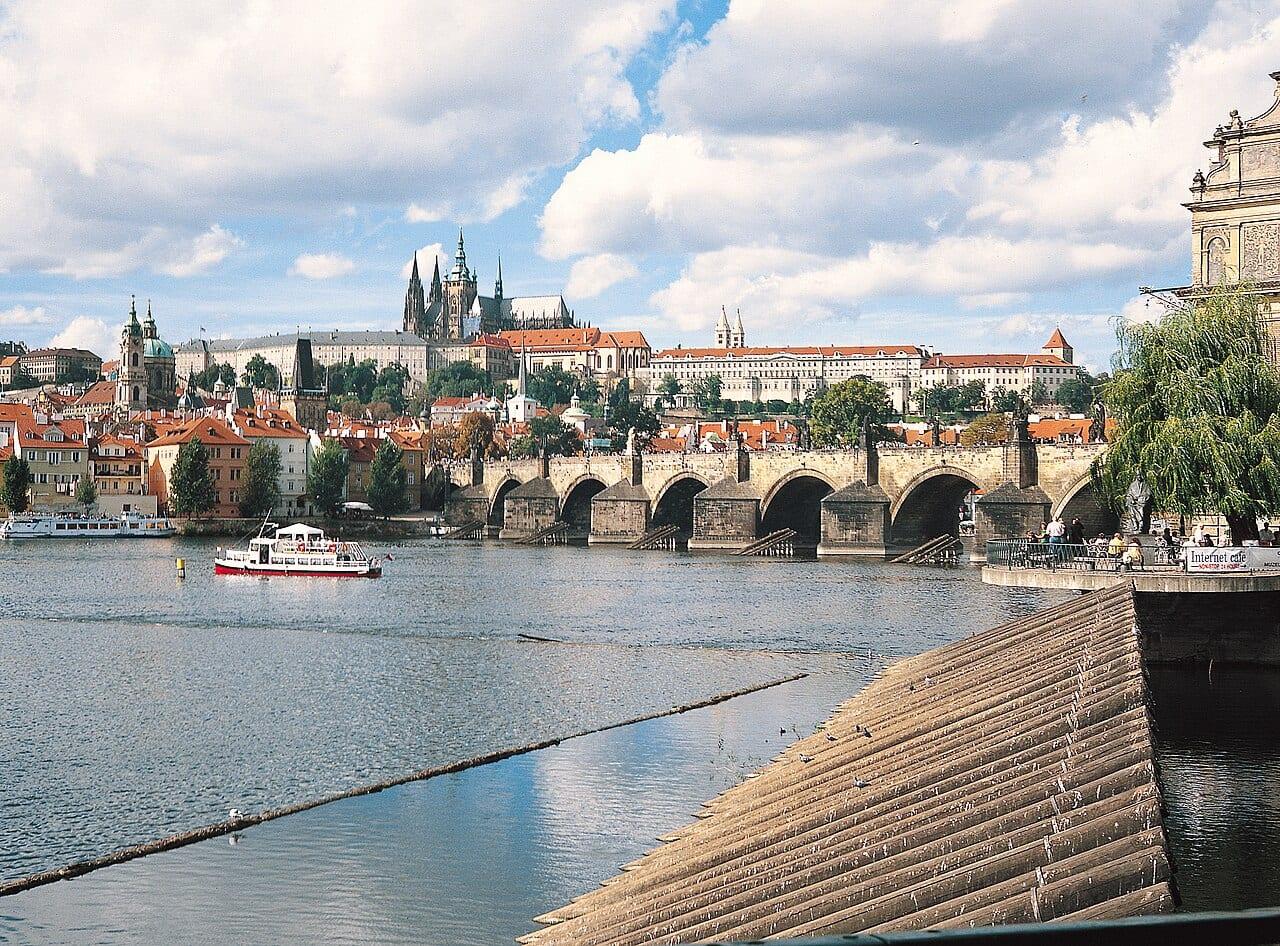
Prague City Guide

Prague is Central Europe's most expensive residential property market and one of its least affordable relative to local incomes. After a brief 2022–2023 cooling, the market resumed a strong upswing through 2024–2025, with the national house price index growing roughly 10% year-on-year, driven by a chronic housing shortage, slow building-permit approvals, falling mortgage rates and persistent demand. New-build asking prices hit record highs of about €6,700/m² at end-2024, transaction prices for all apartment types reached roughly €5,400/m², and prime central districts (Prague 1 and 2) regularly exceed €8,200/m². The flip side of high prices is low income for investors: Prague's gross rental yields are among the lowest in the CEE region, around 2.8–3.0% citywide, and its price-to-income ratio of roughly 18–19 makes it one of the least affordable capitals in Europe. Prague is therefore a capital-appreciation and capital-preservation play rather than a cash-flow market, buyers accept thin running yields in exchange for a stable EU economy, strong long-term value retention and limited supply that supports prices. For foreign investors the legal environment is unusually open: since 2011 there are no restrictions on foreigners (including non-EU citizens) buying Czech real estate, and the Czech Republic abolished its 4% real-estate-acquisition tax in 2020, lowering entry costs. The main headwinds are the low yields, an emerging crackdown on short-term (Airbnb) letting, and an affordability ceiling that limits how much further prices can run.

Updated May 24, 20268 min read

About Prague

Prague is Central Europe's most expensive residential property market and one of its least affordable relative to local incomes. After a brief 2022–2023 cooling, the market resumed a strong upswing through 2024–2025, with the national house price index growing roughly 10% year-on-year, driven by a chronic housing shortage, slow building-permit approvals, falling mortgage rates and persistent demand. New-build asking prices hit record highs of about €6,700/m² at end-2024, transaction prices for all apartment types reached roughly €5,400/m², and prime central districts (Prague 1 and 2) regularly exceed €8,200/m². The flip side of high prices is low income for investors: Prague's gross rental yields are among the lowest in the CEE region, around 2.8–3.0% citywide, and its price-to-income ratio of roughly 18–19 makes it one of the least affordable capitals in Europe. Prague is therefore a capital-appreciation and capital-preservation play rather than a cash-flow market, buyers accept thin running yields in exchange for a stable EU economy, strong long-term value retention and limited supply that supports prices. For foreign investors the legal environment is unusually open: since 2011 there are no restrictions on foreigners (including non-EU citizens) buying Czech real estate, and the Czech Republic abolished its 4% real-estate-acquisition tax in 2020, lowering entry costs. The main headwinds are the low yields, an emerging crackdown on short-term (Airbnb) letting, and an affordability ceiling that limits how much further prices can run.

Location

Prague, Prague, Czech Republic

Showing this map loads it from Google Maps, which sets their own cookies on your device.

Unlock the full city guide. It's free.

You've read the preview. 3 more sections are open to Explorer members, instantly, with just an email.

No spam, no password, unsubscribe any time.

Already a member? Sign in

  • City highlights
  • Market data and outlook
  • Neighbourhoods to explore

Figures are indicative and subject to change. Regulations, taxes and market conditions vary by jurisdiction. Do your own due diligence and seek independent legal and financial advice.
All city guides